8BitDo say Ultimate Software Online is their attempt to make things easier for Linux gamers, no need to download a standalone firmware updater app now.
Yeah, Chromium’s implementation is IMO very elegant and genuinely improves security for most people. That’s why I’m a little miffed by comments that paint it as an obviously terrible feature, just like happens with the “read/write to a specific local folder” API.
These days, new browser features often aren’t in the users best interest, I understand and share the commonly discussed concerns on those. But compared to the alternatives, these specific APIs genuinely improve safety for most users AND make things more accessible for newbies and pros alike. Blocking them on principle (& without specific technical concerns) will not protect users when their remaining option gives malicious actors far more access without any exploits!


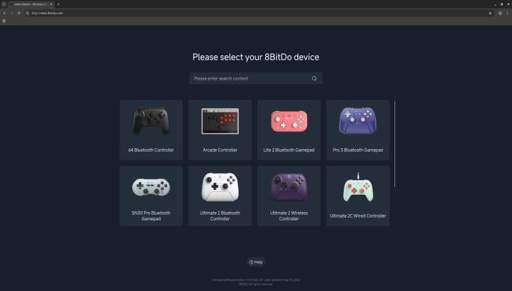
That is exactly how it works. You get a prompt like this you have to chose a device, and only then does a website get access to it via WebUSB.
(From the documentation: https://developer.chrome.com/docs/capabilities/usb)
You can also disable WebUSB permission requests globally in Chromium:
Yeah, Chromium’s implementation is IMO very elegant and genuinely improves security for most people. That’s why I’m a little miffed by comments that paint it as an obviously terrible feature, just like happens with the “read/write to a specific local folder” API.
These days, new browser features often aren’t in the users best interest, I understand and share the commonly discussed concerns on those. But compared to the alternatives, these specific APIs genuinely improve safety for most users AND make things more accessible for newbies and pros alike. Blocking them on principle (& without specific technical concerns) will not protect users when their remaining option gives malicious actors far more access without any exploits!