Pure-Outcome-5977’s red warning light was coming on with system monitor tools showing the CPU was at 81°C and the GPU at 71°C.
yea that’s not hot enough for a warning light
I’m guessing Valve doesn’t even change the thermal throttling of the AMD chips anyways, that’s probably still working well enough to prevent any damage
From gamer nexus testings, it looks like there enough of headroom to operate below any throtling threshold. Fan basically silent even at full load. So I assume yes, most probably somewhat default 95C peak and somewhat tweaked power settings.
I mean, for recent generations of hardware that’s pretty excessive unless you have put in a considerable amount of cooling. Otherwise, if you’re doing that to a part that’s been rated for 95 degrees for example, which many current CPUs are, you’re most likely just loosing out on value by not having picked a lower tier part that already runs cooler by design in the first place.
Generally, thermal stress, caused by frequent heating/cooling cycles also causes far more damage to hardware parts than sustained heat.
I definitely have more than the required cooling capacity on my PCs but I build with the goal of getting a minimum of 10 years of daily use. My 2010 build was used for gaming until 2017 at which point it was turned into a server and ran 24/7 until last year. My 2017 built was used daily until earlier this year and I expect to get at least another decade out of it as a workhorse.
I get that the parts are rated for a maximum of 95c and that cycling puts physical stress on parts, but both the magnitude and number of cycles are important there. A year of 25-65 is less physical stress than a year of 25-95. There is also the the fact that semiconductors just don’t work as well at higher temperatures, they have a negative temperature coefficient and will conduct in the reverse direction the hotter they get, putting them under electrical stress.
I just find it surprising that running right up to the throttling limit is an “ok” practice.
So I usually swap my GPU every other generation after ~5 years or so, CPUs less frequently, but I always give the old parts to friends, family or colleagues and I Haven’t heard of a single defect yet. So yeah, I just don’t believe that heat related failure is something I should have to care about at all. Instead, I’d rather optimize my cooling capacity towards silent operation.
Other than that, the throttling limit already is the throttling limit where the hardware operates well at, not the limit which at which the lifespan gets noticeably affected. Those are much higher. This isn’t like hardware from 20 years ago anymore.
I have a 9800x3d and with an NH-D15 g2 cooler it peaks in temp in like the low 80s. At work we have two 9950x3d machines with 120mm coolers and I dont think those even hit 80c under load. Most of the time they’re in the 60s unless you’re going balls out to stress test them.


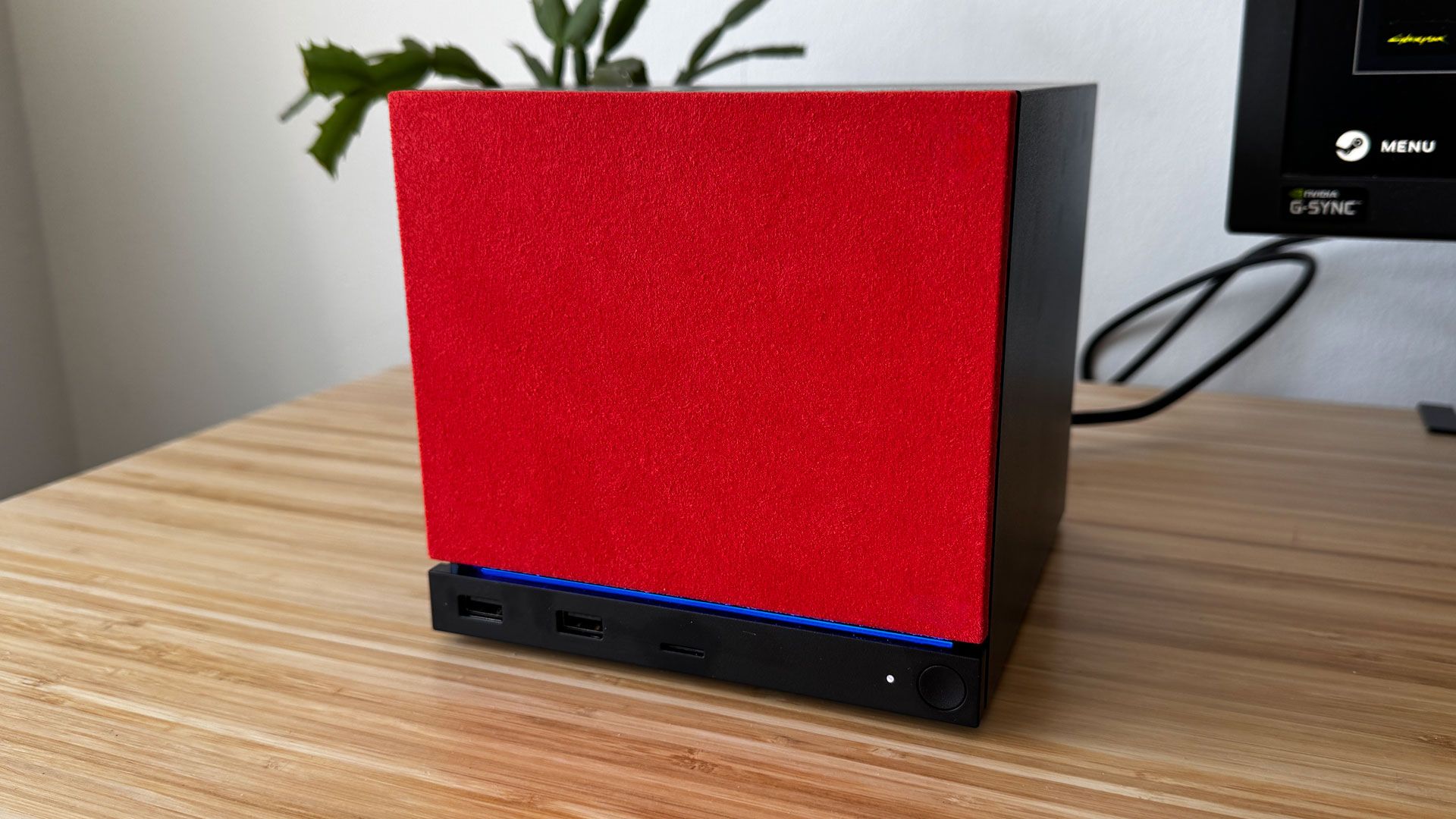
yea that’s not hot enough for a warning light
I’m guessing Valve doesn’t even change the thermal throttling of the AMD chips anyways, that’s probably still working well enough to prevent any damage
From gamer nexus testings, it looks like there enough of headroom to operate below any throtling threshold. Fan basically silent even at full load. So I assume yes, most probably somewhat default 95C peak and somewhat tweaked power settings.
wait so is it tripping because of the hotspots being that temperature or what?
I don’t really get what’s being said here
And I don’t see how the hell it could even get close to thermal limits from GN’s testing.
Holy hell, 95c? I never let my gear get above 70 for fear of reduced service life.
Yes, 95C max for desktop CPU, 105C for notebook APU, became a default like, 20 years ago or so
Amds 7000 series CPUs are designed to run at 95c and try to boost clocks until they do.
Laptops have been doing this for over a decade at this point.
I mean, for recent generations of hardware that’s pretty excessive unless you have put in a considerable amount of cooling. Otherwise, if you’re doing that to a part that’s been rated for 95 degrees for example, which many current CPUs are, you’re most likely just loosing out on value by not having picked a lower tier part that already runs cooler by design in the first place.
Generally, thermal stress, caused by frequent heating/cooling cycles also causes far more damage to hardware parts than sustained heat.
I definitely have more than the required cooling capacity on my PCs but I build with the goal of getting a minimum of 10 years of daily use. My 2010 build was used for gaming until 2017 at which point it was turned into a server and ran 24/7 until last year. My 2017 built was used daily until earlier this year and I expect to get at least another decade out of it as a workhorse.
I get that the parts are rated for a maximum of 95c and that cycling puts physical stress on parts, but both the magnitude and number of cycles are important there. A year of 25-65 is less physical stress than a year of 25-95. There is also the the fact that semiconductors just don’t work as well at higher temperatures, they have a negative temperature coefficient and will conduct in the reverse direction the hotter they get, putting them under electrical stress.
I just find it surprising that running right up to the throttling limit is an “ok” practice.
So I usually swap my GPU every other generation after ~5 years or so, CPUs less frequently, but I always give the old parts to friends, family or colleagues and I Haven’t heard of a single defect yet. So yeah, I just don’t believe that heat related failure is something I should have to care about at all. Instead, I’d rather optimize my cooling capacity towards silent operation.
Other than that, the throttling limit already is the throttling limit where the hardware operates well at, not the limit which at which the lifespan gets noticeably affected. Those are much higher. This isn’t like hardware from 20 years ago anymore.
You are not reducing service life by occasionally hitting 95C dude. And 70C is just extreme.
How are you achieving that?
Oversized coolers. I built a PC in 2017 and put a 120x360 AIO cooler in it, at full load and the fans going full speed the CPU sits at 65-70c.
So you’re not trying to chill a modern CPU then?
My latest build is a 9800x3d, and like fuckwit said, it’s pretty easy to keep cool, even at full load.
I have a 9800x3d and with an NH-D15 g2 cooler it peaks in temp in like the low 80s. At work we have two 9950x3d machines with 120mm coolers and I dont think those even hit 80c under load. Most of the time they’re in the 60s unless you’re going balls out to stress test them.
Throttling, probably.
AMD has always run a bit hot. I remember the old Athlon XPs were comfortable at these temperatures.