

After the clickbait-y headline that’s just Canonical sinking into mediocrity once again, there’s this:
Ubuntu is preparing for the AI PC, not just Linux desktops
Seager also described a push toward proper GPU, NPU, and DPU support, hardware partnerships with NVIDIA, AMD, and Intel, and CPU architecture optimization that makes Ubuntu run faster on newer chips without dropping support for older ones.
Ubuntu is also betting on local-first AI, building “inference snaps” that pick the right model and quantization automatically, along with early exploration into agentic workflows at the OS level. Ubuntu 26.04 LTS already ships with native support for both NVIDIA CUDA and AMD ROCm.
Originally Ubuntu was marketing itself on freedom, and the open source culture that had made the Linux desktop possible.
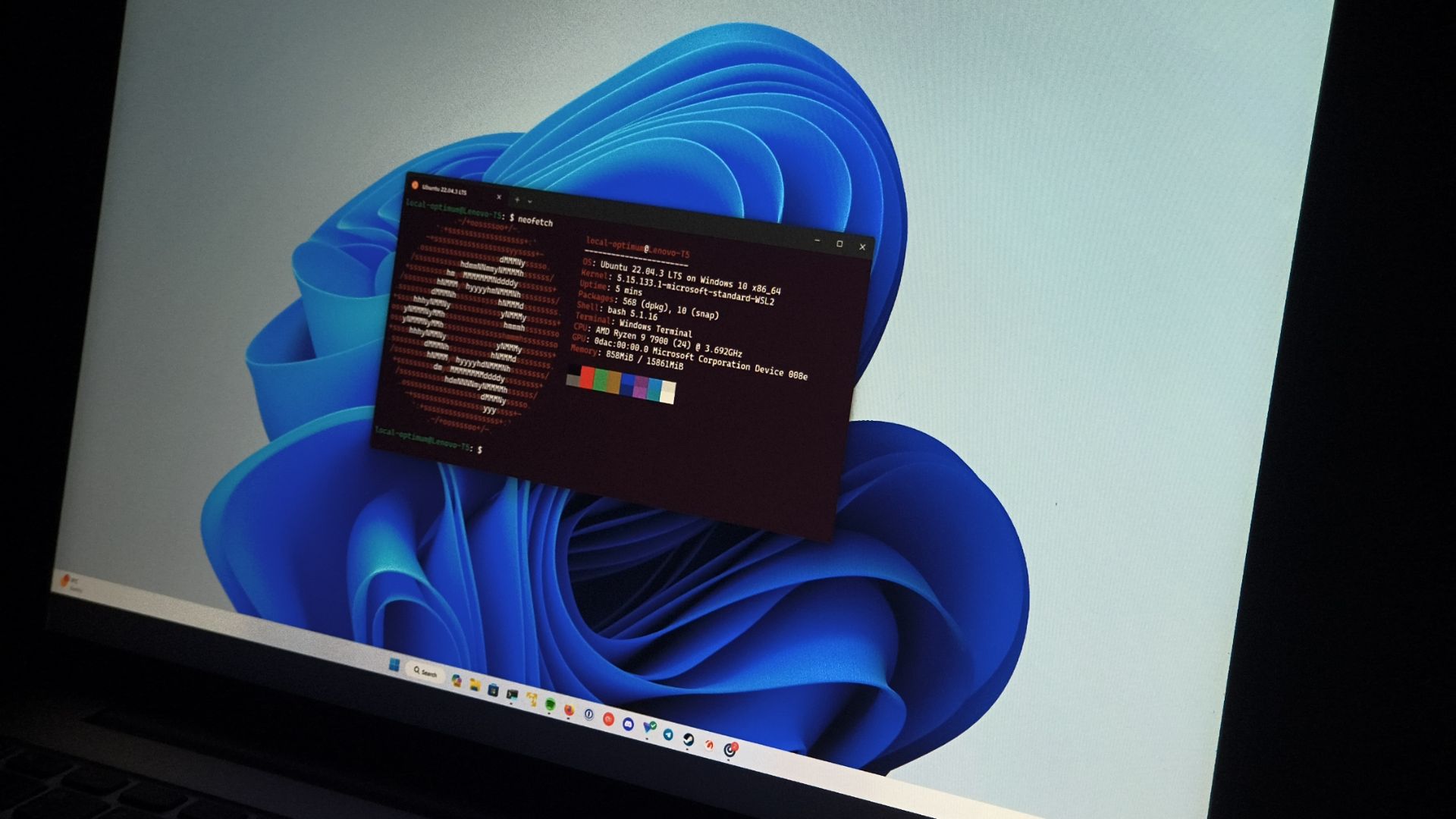
Growing on Windows 11 is not helping promote freedom from proprietary software, so I don’t see that as a positive.
Ubuntu has lost perspective, and abandoned the ideals and purpose of Open Source IMO.
At some point, Canonical became just another corporation.
Other than keeping their desktop FOSS (a requirement) nothing they do follows the core principles of Open Source anymore.
IMO of course.
I agree, they did help Linux 20 years ago, I started using Linux with Ubuntu in 2005, it’s sad IMO that they’re no longer much of a benefit to Linux. They ruined everything with their dual license shit, and trying to do internally behind closed doors, what other projects were working on, for instance when they made MIR to compete with Wayland. And their Snap package system that is proprietary doesn’t help Linux either.
They’ve made so many bad decisions that have been detrimental to both themselves and Linux as a whole. And since 2010 their popularity has been steadily declining.
I suspect their plan was to dominate Linux and become a de facto standard for using Linux. Instead they aren’t even close to the most popular distro anymore.
On Steam survey they rank 7, and on DistroWatch they rank 10 on page hit ranking for 12 months and 1 month. And on a reddit they ranks 8 as of 2025.
DistroWatch Page Hit Ranking:
https://distrowatch.com/dwres.php?resource=popularity
Steam Harware survey:
https://store.steampowered.com/hwsurvey/Steam-Hardware-Software-Survey-Welcome-to-Steam
Reddit stat:
https://www.reddit.com/r/dataisbeautiful/comments/1sta2pu/oc_linux_distro_rankings_over_time/#lightbox
It’s sad because Ubuntu had a very strong start, But Mark Shuttleworth wanted to maintain control of code that was used to improve Ubuntu, and introduced the dual license for Ubuntu projects, so Canonical could close up further developments any time they wanted. Meaning Ubuntu/Canonical became untrustworthy as maintainers of anything open source.
Luckily we now have other supporters like Valve now. And it is very telling that Ubuntu is no-longer the #1 goto distro for commercial projects.
“Here are the updates you would get if you were on Ubuntu Pro”
I mean, it might. It could very well be a stepping stone to full Linux.
It could be… But if we’re speculating, it could also be the opposite. For example if someone has software they really need Linux for, thanks to WSL they don’t need to switch or dual boot. Additionally, if someone uses WSL and it gives them a lot of trouble, then it might also give them the idea that this is because Linux is bad.
WSL is to Window users kind of what Wine/Proton is for Linux users. It’s not exactly the same because people have more reasons to want to ditch Windows, but I doubt Wine/Proton is a stepping stone to full Windows for Linux users :)
Yeah exactly, we can only speculate, rather than claiming definitively that it’s one or the other.
(I do think that, if Linux was the more popular option, and folks would notice that most of the things they’re running under Wine, that would remove one reason for them not to switch to Windows. But yes, it will also be reason for others to stay on Linux.)
Yes I guess it could, but then the growth should appear equally or greater as independent installs.
Who knows! If it’s a stepping stone, then actual growth would trail it.